
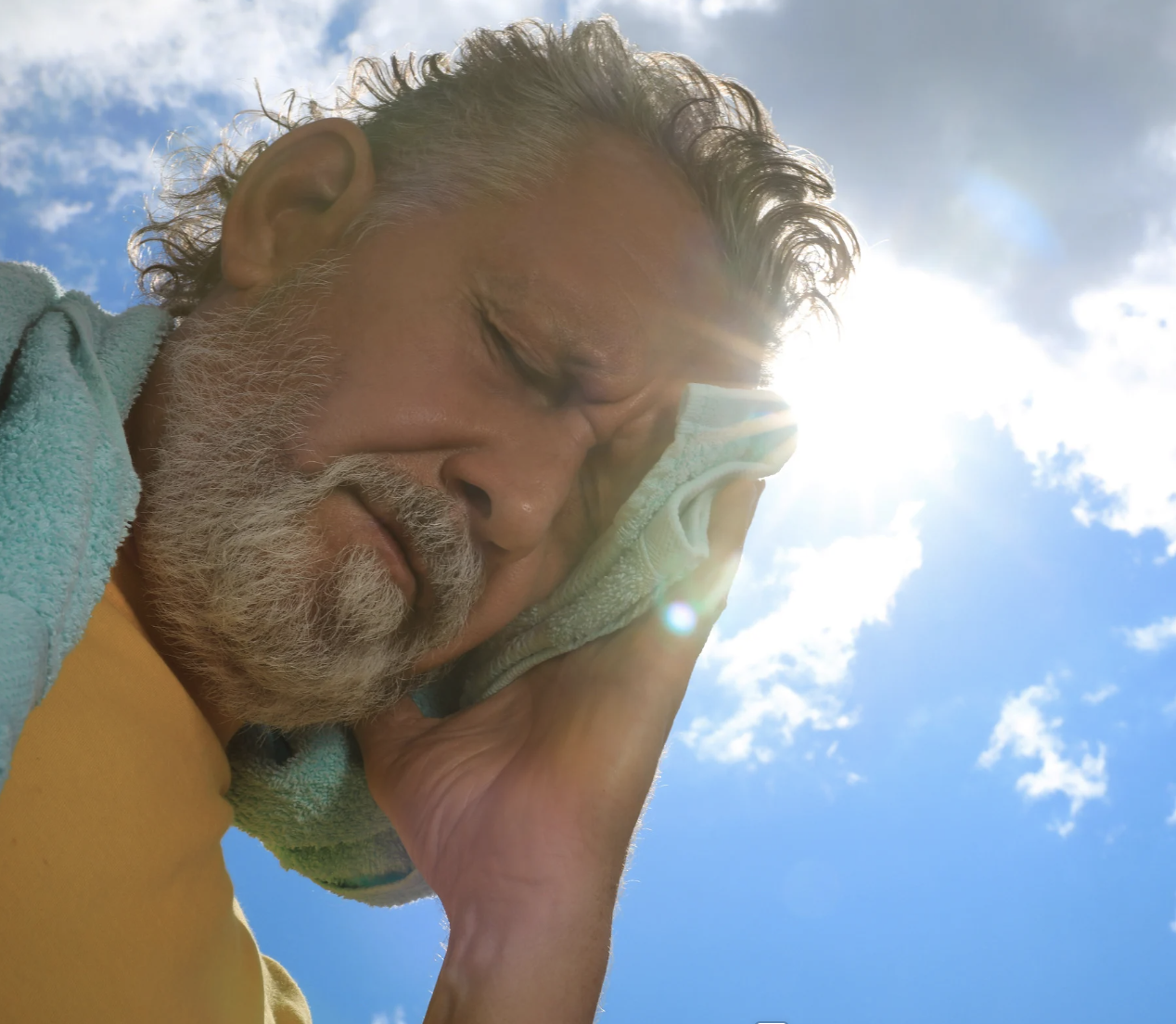

The Northern Hemisphere is breaking heat records this year, and risks of serious heat-related problems are real. According to Afar magazine, travelers face an increased chance of problems like heat cramps, heat exhaustion, heatstroke, dehydration, sunburn, and other sun exposure-related issues.
Children and older adults are especially vulnerable, as their bodies don’t regulate temperature as efficiently. And heatstroke isn’t just feeling faint. It can damage internal organs and be life-threatening (see #7 below).
Before traveling to hot destinations, check with your physician, especially if you take medications that may make you more susceptible to heat-related problems.
Following are 10 tips to consider if you’ll be traveling to hot climates.
1. Plan Around the Heat
-
Check the local forecast before heading out.
-
Schedule outdoor activities for early morning or evening.
-
Avoid peak sun hours (roughly 11 a.m. to 4 p.m.), or at least try to stay in the shade.
2. Hydrate Smarter
-
Drink water regularly. Don’t wait until you feel thirsty.
-
Hydrate well before going out into the heat.
-
Limit alcohol and sugary drinks, which can speed up dehydration.
-
Carry a reusable water bottle and refill it often.
-
Pack electrolyte tablets or powder to help replace minerals you lose through sweat.
3. Dress Appropriately
-
Wear loose, light-colored, breathable clothing.
-
Use a wide-brimmed hat and UV-blocking sunglasses.
-
Bring a cooling scarf or neck wrap.
4. Protect Your Skin
-
Apply SPF 30+ sunscreen 20 minutes before you go out into the sun.
-
Reapply every 2 hours, or after swimming or sweating.
-
Don’t forget often-missed spots like ears, feet, and hands.
5. Stay Cool
-
Take breaks in shaded or air-conditioned spaces (museums, cafés, public buildings).
-
Carry a handheld fan, spray bottle, or cooling towel.
-
Dip your hands or feet in cool water for quick relief.
6. Eat Light and Often
-
Choose smaller, lighter meals like fruits, salads, or veggie wraps.
-
Avoid heavy, high-fat meals that generate more body heat during digestion.
-
If it’s humid, place cool objects or water directly on your skin to cool down.
-
If it’s dry, spraying water on your skin is more effective to lower your body temperature.
7. Know the Warning Signs
Heatstroke Symptoms per the Mayo Clinic:
-
High body temperature (104°F or higher)
-
Altered mental state or confusion
-
Nausea and vomiting
-
Flushed skin
-
Rapid breathing and heart rate
-
Headache
-
Lack of sweating despite heat
If you see these signs:
-
Call the local emergency services number immediately. (Learn it before your trip!).
-
Move to shade or an air-conditioned space.
-
Remove excess clothing.
-
Cool off rapidly with whatever’s available: ice packs (with a fabric layer next to the skin), cold water, a wet towel, or a fan.
8. Be Extra Cautious with Activities
-
Keep hikes and tours short and slow, and schedule them early in the day.
-
Bring an umbrella for shade and extra water.
9. Pack Heat-Smart Gear
-
Foldable UV umbrella or parasol
-
Electrolyte tablets or powder
-
Lightweight sarong or scarf for instant shade
-
Fans or misting devices and extra batteries
10. Look Out for Each Other
-
Check in on your travel companions, especially children, older adults, or those with health conditions.
- Remember, people sometimes don’t realize they’re overheating until it’s serious. So keep a watch out for your fellow travelers.
In short, extreme heat is more than just uncomfortable. It can be dangerous. A little preparation, smart planning for your trip, and knowing the warning signs can help keep you and your fellow Global Travelers safe so you can enjoy your trip.
Disclaimer
This article is for general informational purposes and is not a substitute for medical advice. Always consult your healthcare provider about your personal health needs when traveling to hot climates.