
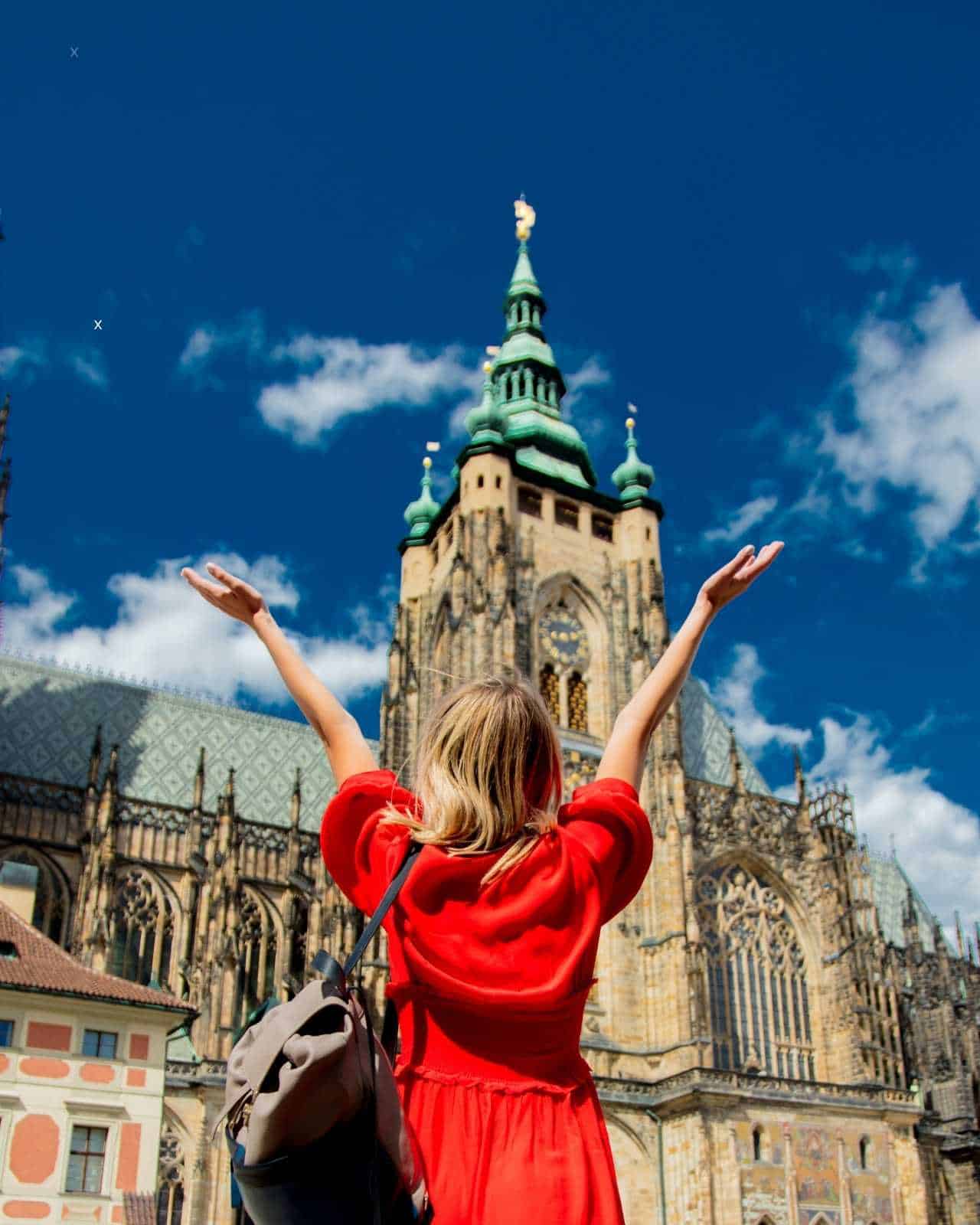
 Have you ever returned from a trip with hundreds of photos that all look remarkably similar? Landmark after landmark. Selfie after selfie. Beautiful places, but somehow the photos don’t quite capture what it felt like to be there.
The good news is that creating memorable travel photographs has very little to do with owning expensive equipment.
Whether you travel with your smartphone, a compact camera, or a professional DSLR, the principles of great travel photography are the same. They’re about observation, storytelling, light, and patience.
Here are a few ideas to help you create photographs that tell the story of your next trip.
Photograph the Experience, Not Just the Destination
Everyone photographs the Eiffel Tower, the Sydney Opera House, or Machu Picchu. Those iconic landmarks deserve a good photo, but they’re only part of the story.
Think about what made the destination memorable. Was it the local market? The café where you had the best coffee ever? The colorful fishing boats in the harbour? The children playing football in the village square? Or fellow Global Travelers enjoying a cup of tea in the marketplace?
The best travel photographs often show how it felt to be somewhere rather than simply proving you were there.
Slow Down
It’s tempting to take one quick photo and move on to the next attraction. Instead, give yourself permission to pause.
Walk around your subject. Look for different angles. Wait for people to move into the scene. Watch how the light changes over a few minutes.
Professional photographers often spend far longer waiting for the right moment than they do pressing the shutter. Patience is one of the easiest ways to improve your photography, regardless of the camera you’re carrying.
Pay Attention to the Light
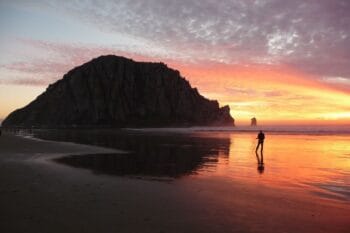 Photography literally means “drawing with light,” so it’s no surprise that light can make or break an image.
The middle of a bright afternoon often produces harsh shadows and washed-out colours. If you want good shots, head out early in the morning or stay out until just before sunset. Photographers call these the “golden hours” because the softer light adds warmth, depth, and texture.
Cloudy days can also be wonderful for photography. The clouds act like a giant diffuser, creating soft, even light that’s especially flattering for portraits and colourful buildings.
Look Beyond Eye Level
Most of us photograph everything from exactly the same height, standing up with the camera at eye level.
Instead, experiment.
Crouch down to include flowers or cobblestones in the foreground. Hold your camera higher for a different perspective. Move closer to interesting details instead of relying on zoom.
Changing your viewpoint by just a metre can completely transform a photograph and make it far more engaging.
Include People
 Landscapes are beautiful, but people add life, emotion, and a sense of scale.
A lone hiker on a mountain trail, someone browsing a market, a friends sharing a meal all help tell the story of a place.
Even photographing your travel companions from behind as they explore a new destination can create a stronger sense of adventure than asking everyone to stop, line up, and smile at the camera.
Some of the most treasured travel photographs aren’t of famous landmarks at all. They’re of the people we shared the journey with.
Pay Attention to the Small Details
Travel memories are often built from little things.
A weathered wooden doorway.
Fresh bread cooling in a bakery window.
Colourful spices stacked in a market.
A cup of tea on a train.
Street art tucked away in an alley.
These details help tell the complete story of a destination and add variety to your collection. When you look back years later, they’re often the photographs that bring back the strongest memories.
Be Respectful When Photographing People
 One of the privileges of travel is meeting people from different cultures. Photographing those encounters can be rewarding, but it should always be done respectfully.
If you’re taking a close portrait, ask permission first. A smile while holding up your camera, a friendly greeting, or learning a few words in the local language can go a long way toward building trust.
In many places, people are delighted to be photographed, while in others it may be inappropriate or culturally insensitive.
Respecting local customs doesn’t just make you a better photographer, it makes you a better traveler.
Take Fewer Photos, But Better Ones
Digital photography makes it easy to hold down the shutter and hope for the best. Instead, challenge yourself to become more intentional.
Before pressing the shutter, ask yourself:
- What is my subject?
- What’s distracting from the image?
- Can I move a few steps left or right?
- Would this look better with a person in the frame?
- What story am I trying to tell?
A thoughtful photograph almost always has more impact than dozens of hurried snapshots.
Don’t Forget to Put the Camera Away
Perhaps the most important photography tip has nothing to do with photography.
There are moments when the best thing you can do is simply experience them.
Watch the sunrise.
Listen to the music.
Join the conversation.
Take in the view.
The memories you create by being fully present will often inspire better photographs later because you’ll understand the place rather than simply documenting it.
Every Journey Has a Story
The best travel photographs aren’t necessarily the sharpest or the most technically perfect. They’re the ones that make us smile years later because they remind us of the people we met, the places we explored, and the experiences that changed us.
When you’re traveling the world, remember, your camera is simply a tool for preserving stories.
So next time you pack your bags, don’t worry so much about the equipment. Focus on curiosity, patience, and seeing the world with fresh eyes.
The photographs will follow.
Want to Keep Improving?
If you enjoy photography and would like to learn from fellow travelers, consider joining the Global Travelers Photography Club Interest Group.
Members share their favourite images, exchange ideas, discuss techniques, and encourage one another to see the world through a more creative lens.
Whether you’re just getting started or have years of experience behind the camera, you’ll find a welcoming community of people who love both travel and photography.
Additional Resources
If you’d like to dive deeper into travel photography, these articles offer excellent advice: